
What Makes This Trail Special
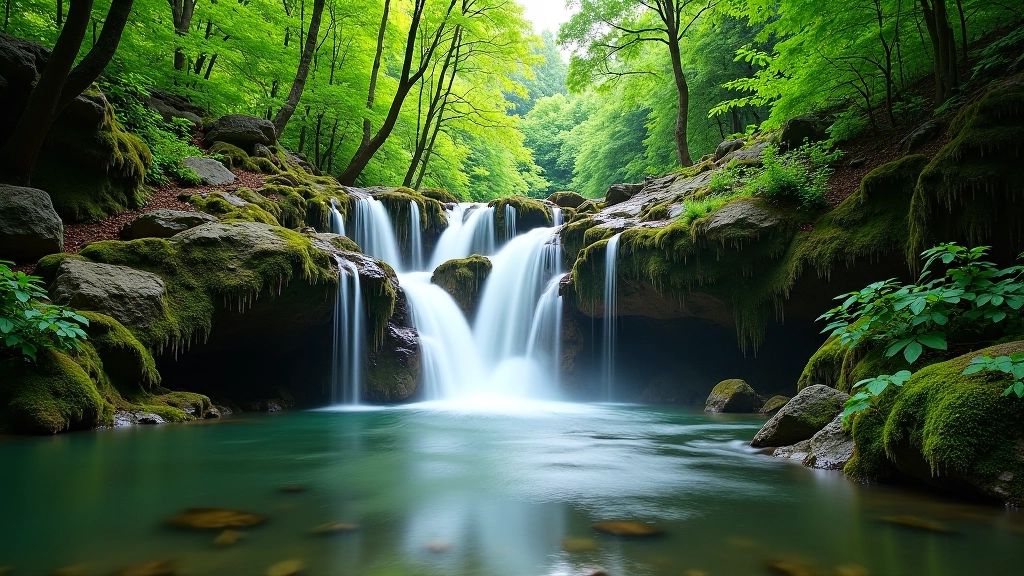
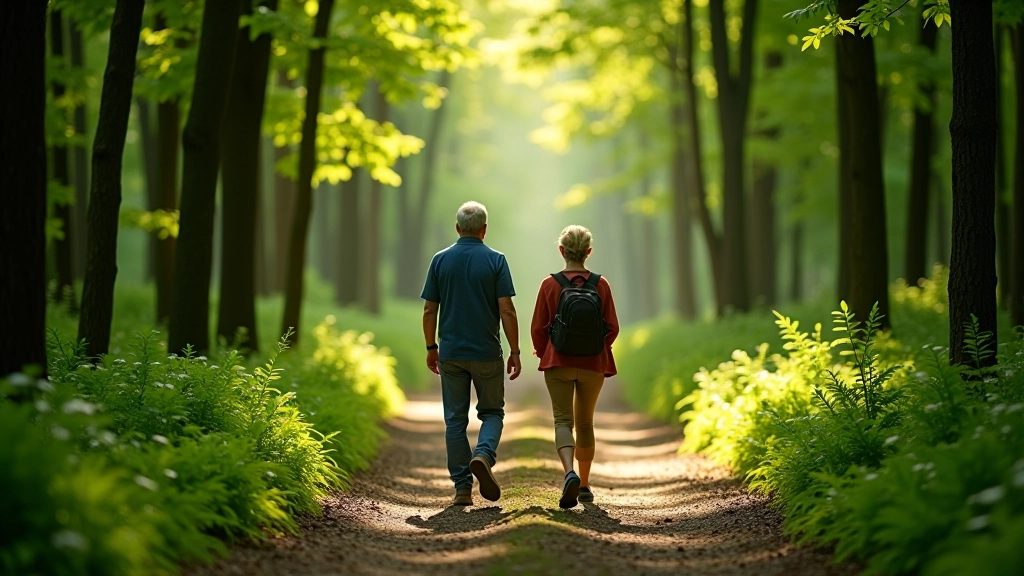
The Ravine Loop isn't just another forest walk. It's a carefully planned circuit that winds through limestone ravines where you'll find yourself surrounded by towering trees, moss-covered rocks, and the occasional sound of a small stream below. The path itself is well-maintained with regular steps carved into steeper sections and sturdy handrails where you need them.
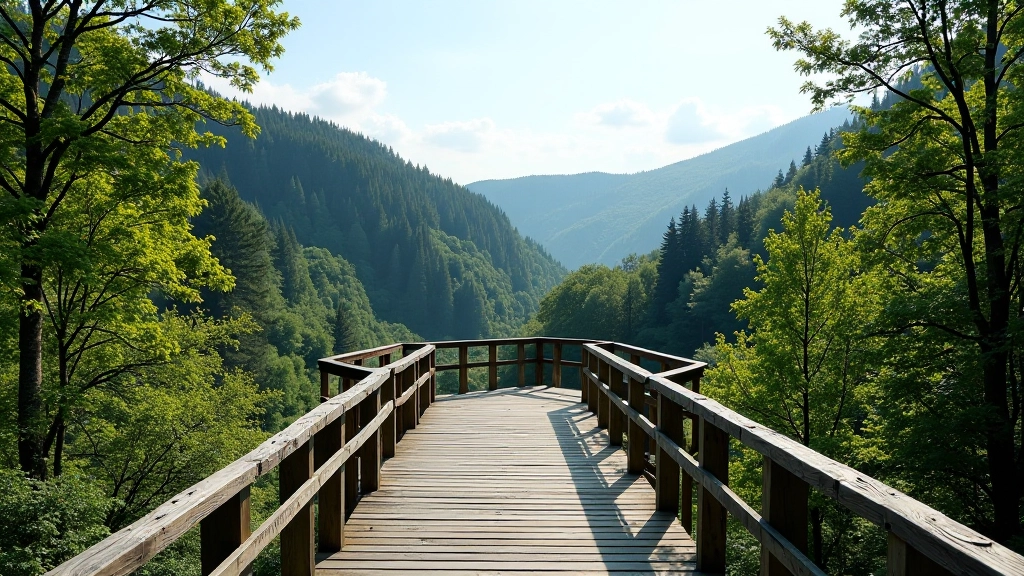
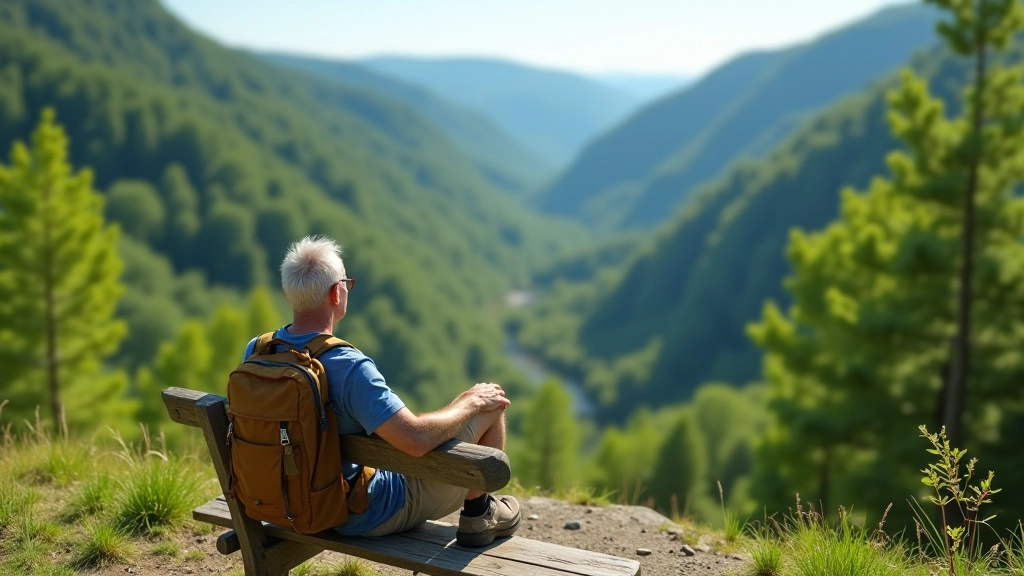
What really sets this trail apart is the thoughtful placement of rest stops. You'll find benches positioned at natural viewpoints every 15-20 minutes of walking. This means you can pause whenever you want without feeling like you're struggling to catch your breath. There's no rush here — it's genuinely designed for people who want to enjoy nature without overexertion.
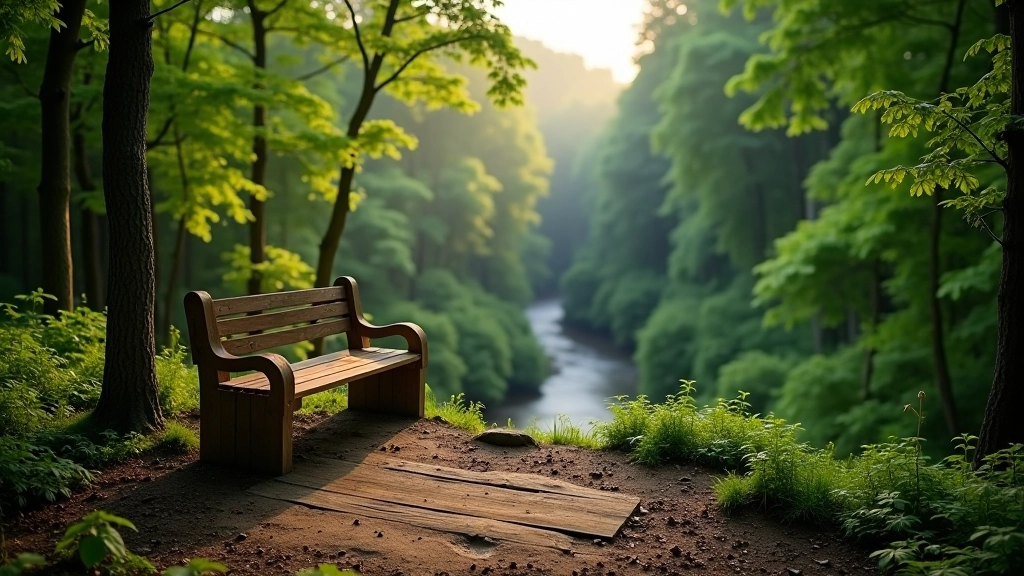
"You'll find yourself surrounded by towering trees, moss-covered rocks, and the sound of streams. There's no rush here — it's genuinely designed for people who want to enjoy nature without overexertion."
The Route Layout: Three Natural Zones
The loop breaks down into three distinct sections, each with its own character. The first 2 kilometers is the gentlest part — mostly flat with slight descents as you enter the ravine proper. You're moving through deciduous forest here, so in spring and autumn the colors are stunning. Walking time is about 45 minutes, but most people take longer because they're stopping to look at things.
The middle section is where elevation really comes into play. You'll descend about 80 meters over the next 1.5 kilometers. Sounds intimidating, but here's the thing: the steps are shallow and there are railings. We're not talking about scrambling down a mountain. It's more like walking downstairs at a very gradual angle. Plus the forest floor here is soft — moss and leaf litter cushion your steps, which feels surprisingly nice on your knees and ankles.
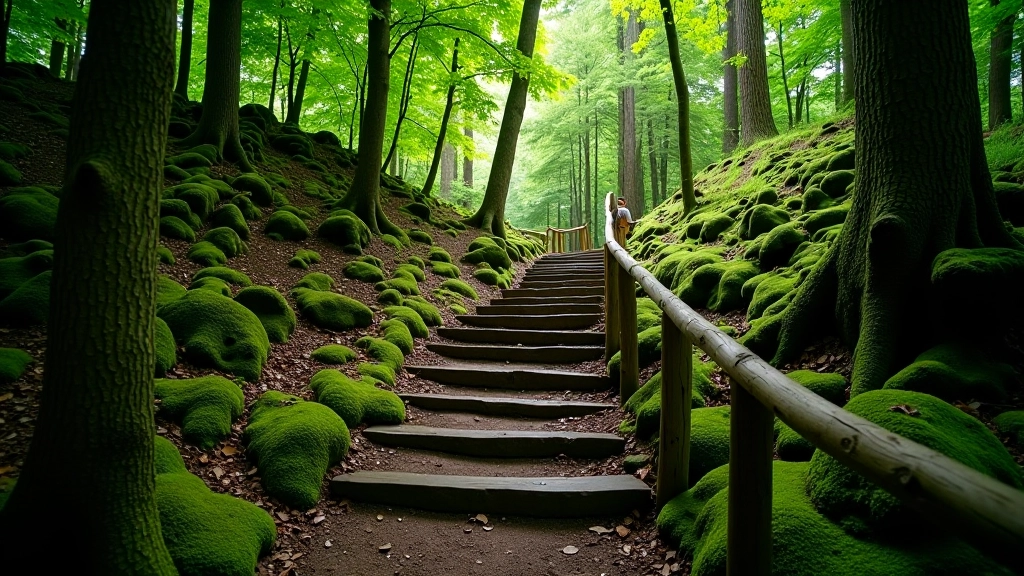
The final section climbs back up — this is 1.2 kilometers with about 85 meters of elevation gain. But you're climbing out of the ravine gradually, so it doesn't feel steep. By the time you're on the final stretch, you're back in open forest with better visibility. This section takes about 35-40 minutes for most walkers. At the top, there's a larger rest area with information boards about the local geology and plant life.
Key Trail Facts
- Total distance: 4.7 kilometers (just under 3 miles)
- Elevation change: About 80-85 meters in each direction
- Walking time: 2.5-3.5 hours including rest stops
- Surface: Well-maintained packed earth, stone steps in ravine sections
- Best seasons: April through October (avoid winter ice)
What You'll Actually See Along the Way
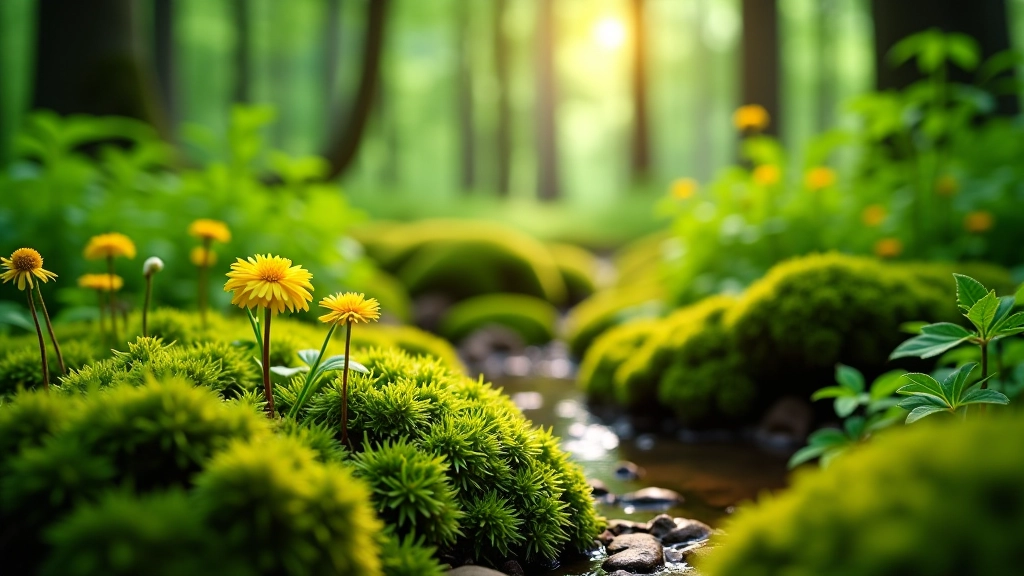
The ravine is a microclimate. Down in the lower sections, it's noticeably cooler and damper than the surrounding landscape. This creates the perfect conditions for moss, ferns, and certain tree species that don't grow well elsewhere. In early summer, you'll spot wildflowers — nothing dramatic, but small delicate blooms tucked among the undergrowth.
Wildlife-wise, you won't see much that's dramatic. You might hear a woodpecker. You'll definitely see birds — there are information boards identifying them. Small mammals keep their distance, which is fine. The real highlight is the geology. The limestone walls of the ravine are fascinating if you take time to look. There are layers of rock exposed, different colors and textures telling a story about how this landscape formed over thousands of years.
Practical Tips for Getting the Most Out of Your Visit
Wear proper walking shoes — nothing fancy needed, but something with decent grip and ankle support. The path isn't slippery under normal conditions, but you'll appreciate the stability. Bring water. There's a water fountain at the start and at the top rest area, but carrying 500ml at least means you don't have to worry about dehydrating between stops.
Start early if you can. The trail gets more crowded in mid-afternoon, and frankly, the light is better in the morning. Plus you'll have your pick of benches at the viewpoints. Weather matters more than you'd think — the ravine can be muddy after heavy rain, though it dries reasonably fast because of the limestone. If it's been raining, check conditions before you go.
There's no entry fee and no permits needed. The trail is maintained by the local forestry service and is open year-round, though winter conditions can make it tricky. The parking area at the trailhead has space for maybe 15-20 cars. If it's full, there's additional parking about 200 meters away along the main road.
When to Visit and What to Expect by Season
Spring (April-May) is magical. The trees are budding, streams are flowing with snowmelt, and there's that feeling of everything coming back to life. It's muddy in patches, but that's part of the charm. Summer (June-August) is warm and crowded. You'll see families, school groups, tourists. The forest is thick and green, which is beautiful but also hot in the ravine. Early morning or late afternoon visits work better in peak summer.
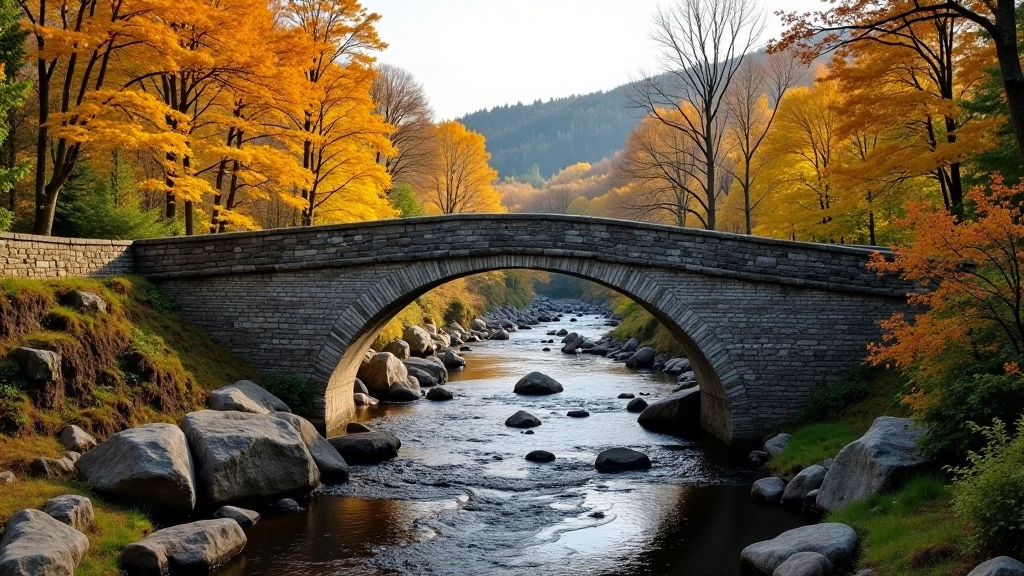
Autumn (September-October) is probably the best time to go. The light is golden, temperatures are comfortable, and the colors are extraordinary. It's crisp but not cold. Winter is doable but requires caution — the ravine can be icy, and the steps become slippery. You'd need proper winter boots and ideally crampons if there's been recent snow.
Why This Trail Works for Everyone
The Ravine Loop isn't trying to be something it's not. It's not a challenging mountain hike or a casual stroll through manicured gardens. It's a genuine forest walk with real elevation change but thoughtful design that makes it accessible. You're walking through a landscape that's been shaped over millennia, surrounded by nature that's doing its thing whether you're there or not. That's the appeal. You get a sense of adventure and accomplishment without the physical punishment.
Come for the forest. Stay for the quiet. The trail doesn't demand much — just bring water, wear decent shoes, and give yourself time. Three hours is plenty to complete the loop and actually enjoy it. You won't set any speed records, and that's exactly the point.